What venetian plaster costs in North County, and why
Venetian plaster pricing swings widely. Here is what drives the number up or down: prep, size, height, polish, coats, access and sealing, and how to keep it in budget.
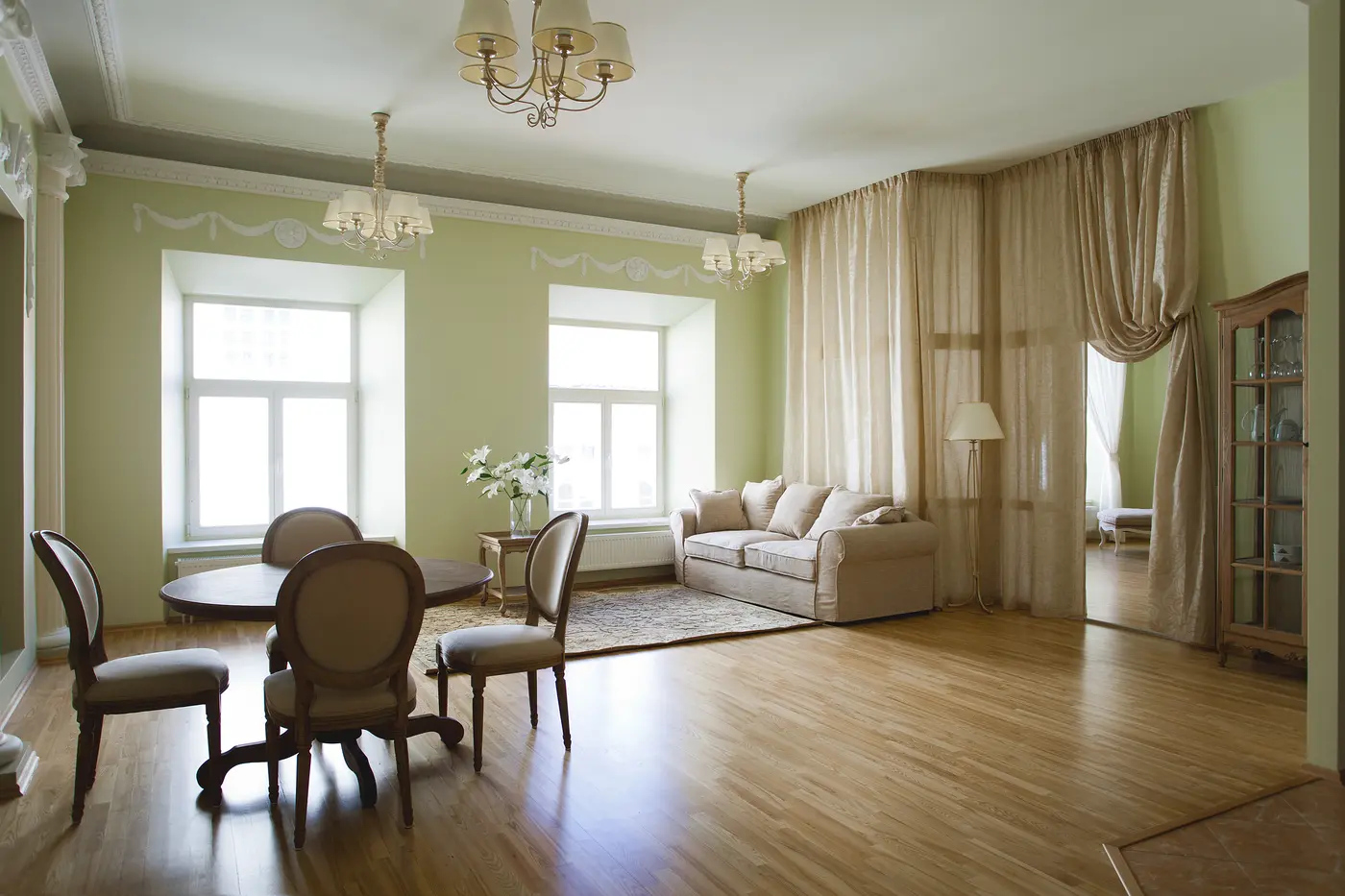
Ask five people what Venetian plaster costs and you will hear five very different numbers. That is not because anyone is being vague. It is because "Venetian plaster" covers a wide range of work, from a lightly textured matte wall to a mirror-polished stairwell, and the wall underneath can need anything from a quick wipe-down to days of repair.
We do not publish a price list, because the honest answer depends on the specific wall. What we can do is explain exactly what moves the number, so the quote you get makes sense and you can decide where to spend and where to save. For how the finish is applied, see our venetian plaster service.
Why plaster costs more than paint
A standard repaint is usually a primer and two coats rolled on. Venetian plaster is built up by hand with a steel trowel, often over several thin layers, each one left to dry before the next. The final passes are burnished, which means working the surface with the trowel under pressure until it tightens and takes on a sheen. That process is slower, it cannot be rushed with a sprayer, and it takes a practiced hand to keep the movement even across a wall. Most of what you pay for is skilled time.
The factors that drive the price
1. The condition of the wall
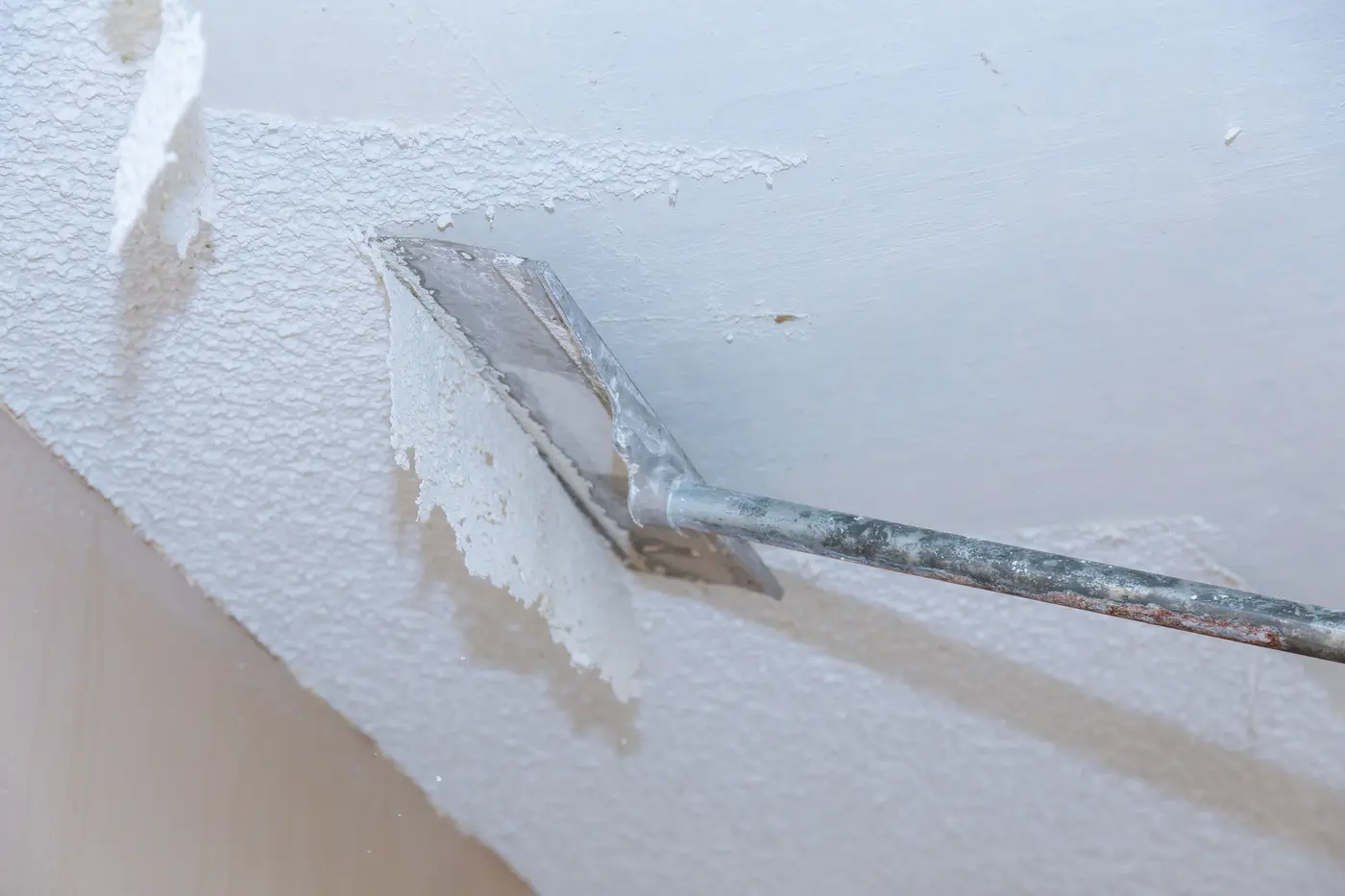
Plaster coats are thin, and thin coats reveal what is beneath them. Cracks, patches, nail pops, uneven seams and heavy texture all need to be dealt with first. A smooth, sound wall in good shape needs little prep. A wall with old texture, water damage or years of patches may need repair and a skim coat before plaster can start. On some jobs, prep is a significant share of the total.
2. Square footage, and how it is broken up
More wall means more material and more time, but layout matters as much as size. A single flat wall goes faster than the same area broken up by windows, outlets, niches, shelving and outside corners. Every edge has to be cut in and finished cleanly by hand.
3. Height and access
Walls you can reach from the floor or a short ladder are the simplest. Two-story entries, stairwells and vaulted ceilings, which are common in many North County homes, may need scaffolding or planks, more setup time and more care to keep the finish consistent from top to bottom. Ceilings are slower than walls in general.
4. The finish you choose
- Matte or lightly textured: fewer coats and little or no burnishing.
- Satin or soft sheen: more coats and some burnishing.
- High polish: the most coats and the most burnishing, and the least forgiving of flaws underneath.
If you are still deciding on the look, our guide to Venetian plaster, limewash and Roman clay compares the options.
5. Color
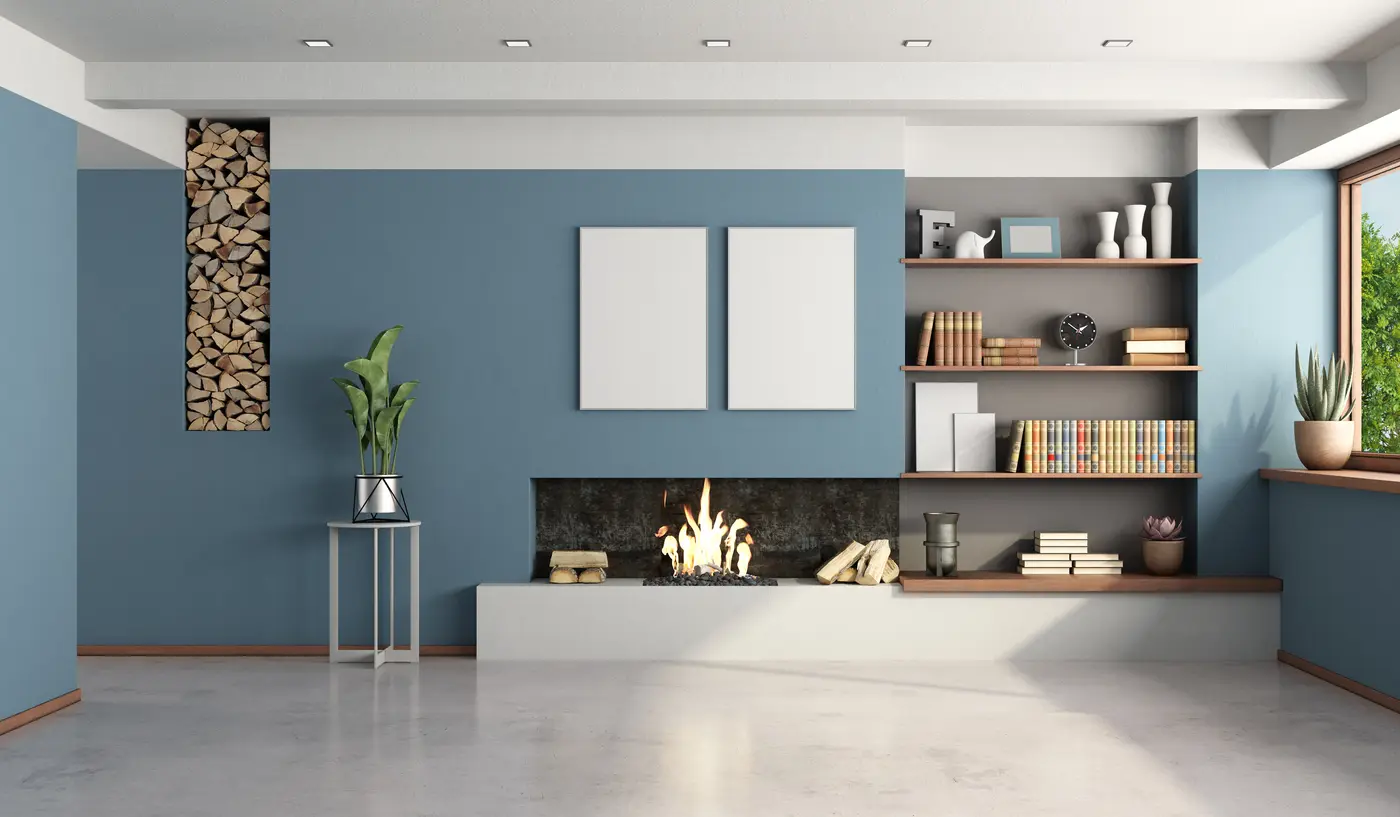
Light, neutral tones are the most common. Deep or custom-tinted colors can need more careful mixing and matching across batches, and some looks use more than one tone layered together. If you want a specific color matched, we handle that through our custom color work.
6. Sealers and protection
In kitchens, bathrooms, behind sinks and in high-touch areas, plaster is usually finished with a sealer or wax for added protection. That is an extra step with its own material and time.
7. Setup and protection of the room
Furniture moved, floors and trim masked, and cleanup at the end all take time. A room that is cleared before we arrive is simpler than one full of furniture and built-ins.
Where the money is well spent
Plaster has the most impact in places people walk through and pause in. In our experience, homeowners get the most out of a budget by focusing the finish where it will be seen most:
- An entry wall or stairwell that greets guests.
- A powder room, which is small enough to do a richer finish without a large area.
- A fireplace surround or range hood as a single feature.
- A dining room wall behind the table.
Ways to keep it reasonable
- Do one feature wall instead of a whole room, and paint the rest in a coordinating color.
- Choose a softer finish. A matte or satin look needs fewer coats and less burnishing than high polish.
- Skip the ceiling unless it is part of the design.
- Fix water issues first. Plaster over an active leak will fail, and the repair will cost twice.
- Clear the room before work starts.
- Bundle the work. If other rooms need interior painting, doing them on the same visit can reduce repeat setup.
Our current promotion takes 10% off any job over $2,500, which can apply to plaster work when the project reaches that size. Ask about it when you request your estimate.
How we put a quote together
We price after seeing the wall. During a free estimate, Jovanni looks at the surface, checks for cracks, texture and moisture, measures the area, notes ceiling height and access, and talks through the finish and sheen you want. If you are not sure, sample boards help you choose before any money is committed to the full job.
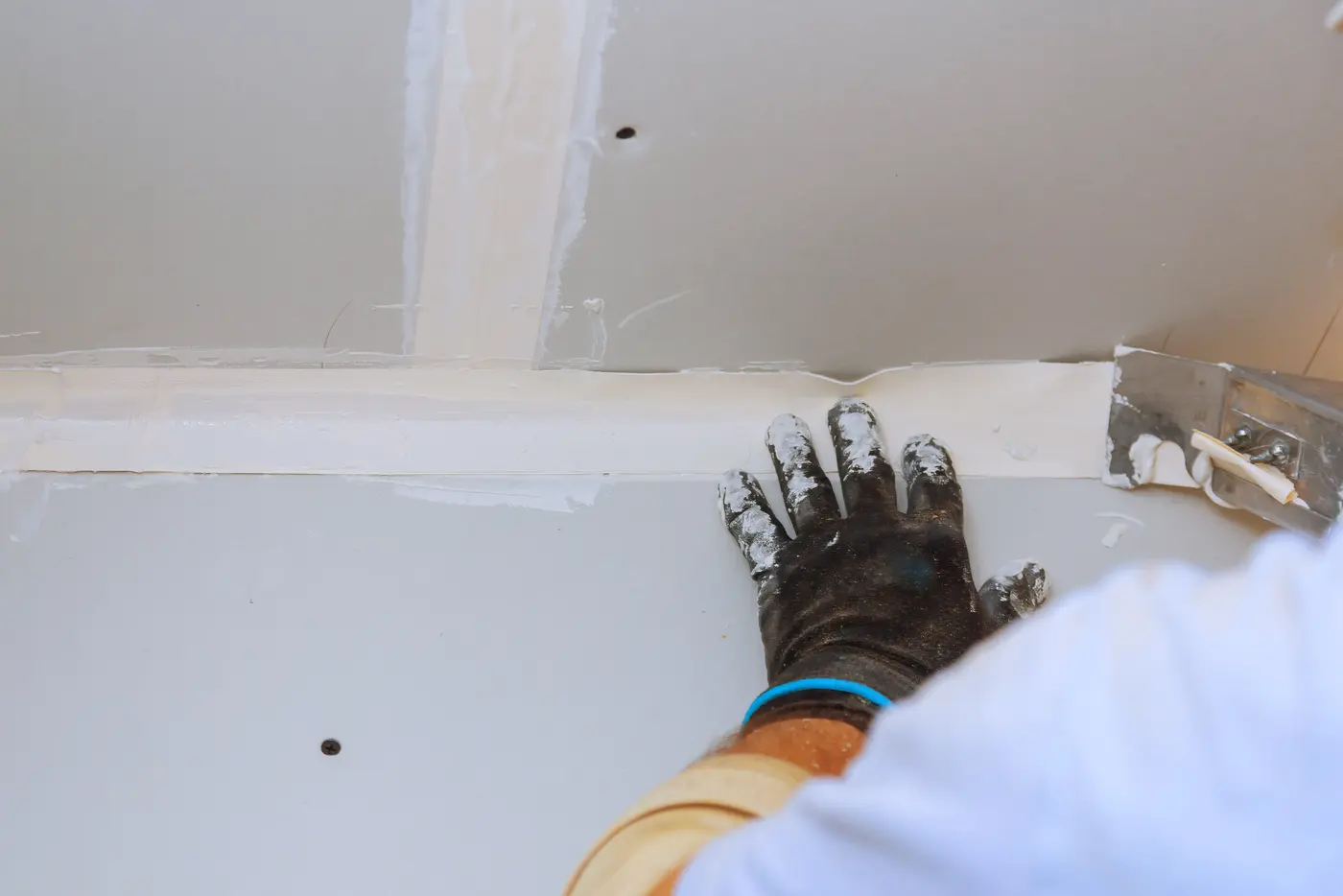
The quote describes the scope, the prep, the finish and what is included. If something unexpected turns up, such as damage behind a wall, we talk it through with you before going further.
Frequently asked questions
Why don't you list a price per square foot?
Because two walls of the same size can differ a lot in prep, height, corners and finish. A single number would be wrong more often than right. A quick look at the wall gives you a real figure.
Can I get a rough idea from photos?
Photos help us understand the space and the finish you like, and you are welcome to send them when you reach out. We still confirm the price on site, because wall condition is hard to judge in a picture.
How long does Venetian plaster last?
Applied over a sound wall and cared for properly, it is a durable, long-lasting finish. It does not peel the way paint can, and small marks can often be repaired locally rather than redoing the whole wall.
Is plaster worth it compared to paint?
For a feature area you look at every day, many homeowners feel it is. For a whole house of secondary rooms, good paint is usually the better value. A mix of both is common.
Get a real number
We serve homeowners across North County, including Carlsbad, Encinitas, Del Mar, Rancho Santa Fe, San Marcos and Escondido. The best way to price a wall is to look at it: get a free estimate, send a photo of the room, or call (760) 852-7398.
More posts

Venetian plaster, limewash or Roman clay: which finish fits the room
Venetian plaster, limewash and Roman clay all look 'textured', but they differ in sheen, depth, durability and labor. How to pick the right one for each room.
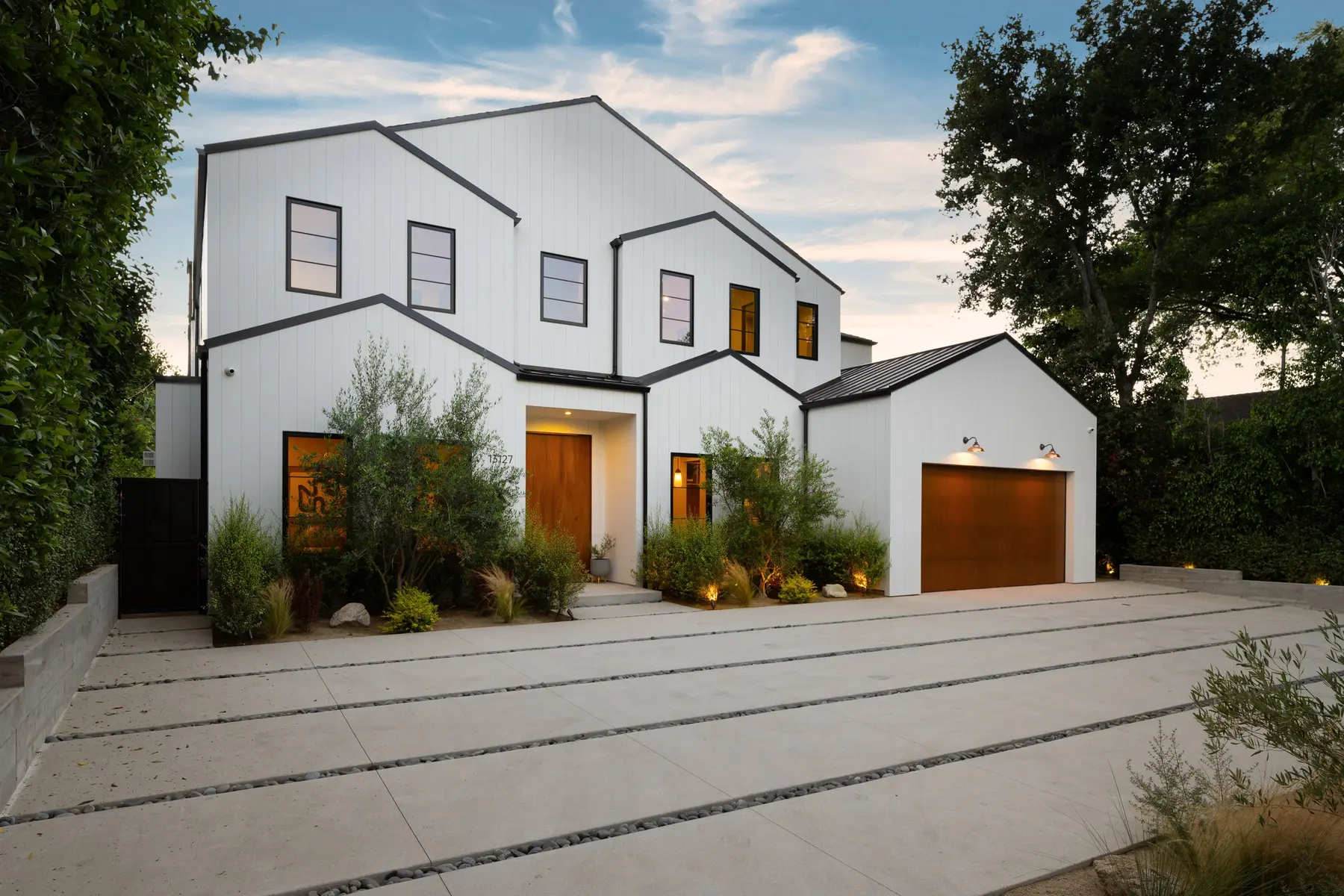
Painting an exterior in the Rancho Santa Fe Covenant
Inside the Rancho Santa Fe Covenant, exterior changes go through Association review. How to plan colors, samples and scheduling so a repaint runs smoothly.

Salt air on coastal stucco: how often the ocean side needs paint
Near the coast, the ocean-facing side of a stucco house wears out first. The warning signs, typical repaint cycles and how a coastal repaint should be done.